

Ever found yourself daydreaming about a neighborhood where the grass is, quite literally, greener? Welcome to sustainable living communities, the place where eco-friendliness meets fresh air and fellowship. Imagine energy-efficient homes, gardens overflowing with organic vegetables, and neighbors who actually know how to compost. It sounds too good to be true, right? Well, it’s not. Let’s explore how these communities are not just a trend, but a blueprint for a sustainable future, while probably making you chuckle along the way.
What Are Sustainable Living Communities?
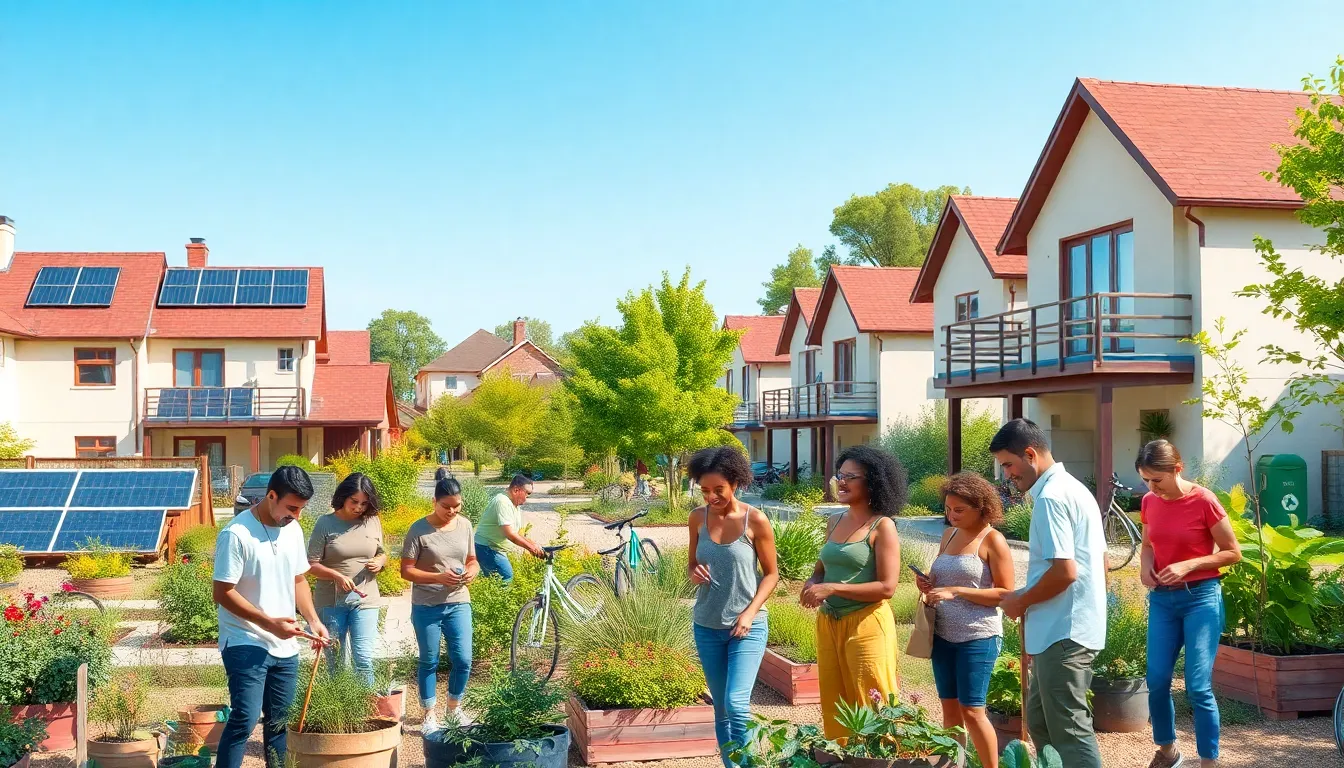
Sustainable living communities are essentially designed from the ground up to promote eco-friendly lifestyles while fostering a sense of community among residents. These neighborhoods are built on principles of sustainability, drawing from renewable resources, and focusing on reducing waste and energy consumption. Think of it as living in an oasis where every aspect, housing, landscaping, transportation, is meticulously crafted to honor Mother Earth.
In these communities, residents often experiment with different ways of living sustainably, from sharing resources like tools and gardens to utilizing innovative housing designs. Here, sustainability isn’t just a goal: it’s a lifestyle woven into every part of daily life.
Benefits of Sustainable Living Communities
The perks of living in a sustainable community are as plentiful as the vegetables in a community garden.
- Eco-Friendly Environment: From solar panels to rainwater harvesting systems, these places are designed to minimize their carbon footprint. This leads to a healthier planet not just for residents but for future generations.
- Cost Savings: Who doesn’t love saving a little cash? Sustainable living typically involves reduced energy bills due to energy-efficient homes and shared resources.
- Tight-Knit Community: Forget the days of waving from afar: here, neighbors often become friends. With the emphasis placed on communal spaces and activities, social bonds flourish.
- Personal Growth: Living sustainably encourages residents to learn new skills, from gardening to renewable energy management. Who knew saving the planet could also upgrade one’s skill set?
Key Features of Sustainable Living Communities
What exactly makes these communities tick? Here are some key features to keep an eye out for:
- Green Architecture: Homes built using eco-friendly materials and designs that maximize natural light and minimize energy use.
- Community Gardens: An integral part of these neighborhoods, gardens allow residents to grow their own food, fostering both sustainability and a sense of community.
- Renewable Energy Sources: Many communities harness energy from solar panels or wind turbines, reducing reliance on fossil fuels.
- Shared Amenities: From laundry facilities to electric car-sharing programs, residents share resources, decreasing overall consumption and waste.
- Biodiversity: Many communities focus on maintaining natural habitats, incorporating native plant species to support local wildlife.
Popular Examples of Sustainable Living Communities
If you want to see these principles in action, look no further than some of these noteworthy examples:
- EcoVillage in Ithaca, New York: This pioneering community boasts a combination of beautiful homes, solar energy, and a thriving garden. Residents here are known for their strong emphasis on community engagement and sustainability practices.
- Christicola Farms, Florida: A sustainable community focused on regenerative agriculture and permaculture, emphasizing local resources and organic farming practices.
- Arcosanti, Arizona: A fascinating experiment in urban ecology, this site combines architecture and ecology in a way that minimizes environmental effects while maximizing social interaction.
These communities showcase that sustainable living is not only feasible but also incredibly rewarding.
Challenges Faced by Sustainable Living Communities
While sustainable living communities paint a rosy picture, they aren’t without their hiccups.
- Initial Costs: Establishing these communities can require significant investments upfront. While savings come in the long run, many may struggle to cover initial costs.
- Sustainability vs. Lifestyle: Residents may find it challenging to maintain an eco-friendly lifestyle due to ingrained habits and slip-ups along the way.
- Limited Space: Urban settings often limit the availability of land for gardens and communal areas, posing challenges for sustainability efforts.
- Social Cohesion: Creating a tight-knit community may take time, as residents often come from diverse backgrounds, requiring extra effort to foster genuine relationships.
How to Get Involved in Sustainable Living Communities
Ready to jump into the sustainable living movement? Here’s a roadmap to get started:
- Research Local Options: Start with a Google search. Many cities have sustainable communities in various stages of development.
- Participate in Workshops: These often introduce essential skills related to sustainable practices, helping you meet like-minded individuals in the process.
- Join a Co-op: Cooperative housing is a fantastic way to engage with your community while sharing resources.
- Volunteer: Many sustainable communities seek volunteers for their gardens and common areas, perfect for getting your hands dirty and meeting neighbors.
- Educate Yourself: Jump into books, podcasts, or documentaries focused on sustainability, enhancing your knowledge while preparing for a community-oriented lifestyle.
The Future of Sustainable Living Communities
So, what does the future hold for sustainable living communities? As environmental concerns grow, it’s likely that these communities will expand both in numbers and sophistication.
Emerging technologies will improve energy efficiency, while shifts in social values will further support sustainable practices. From micro-communities to larger eco-villages, it’s clear that sustainable living is gaining momentum.
Also, as more people recognize the benefits of eco-friendly living, the desire for connected communities that prioritize sustainability will only intensify, making these neighborhoods increasingly essential in our journey toward a greener future.


