

Ever thought your house could be as green as your thumb? Sustainable living builders are turning that dream into reality, crafting homes that not only look good but also give Mother Nature a warm hug. Imagine sipping coffee in a house built from recycled materials or lighting your home with solar energy. It’s not just a pipe dream anymore: it’s the future of living. This article dives into who these builders are, why their work matters, and how to find the right one for your next project, because your eco-friendly sanctuary awaits.
What Are Sustainable Living Builders?
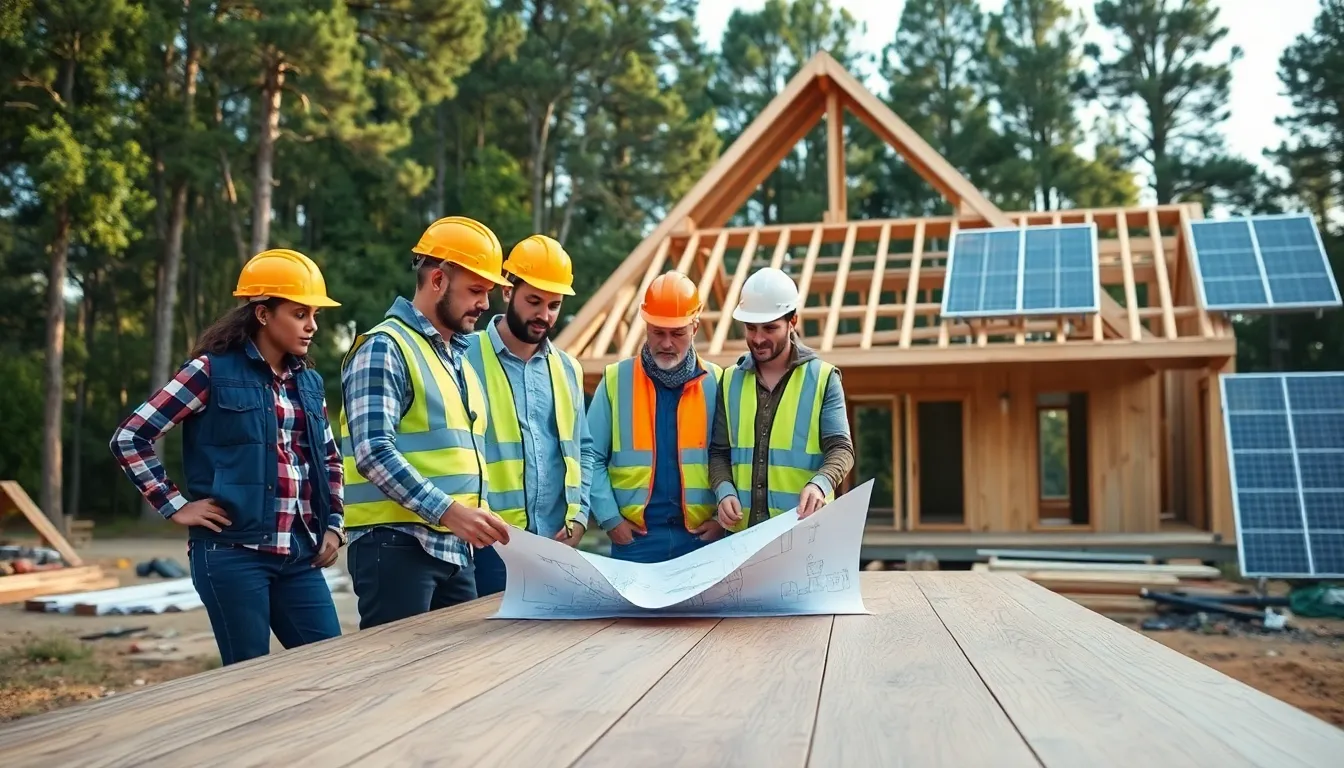
Sustainable living builders are professionals dedicated to creating homes that minimize environmental impact while maximizing efficiency. They develop structures with eco-friendly materials, carry out energy-saving technologies, and prioritize sustainability in every phase of construction. These builders understand that every brick laid matters, not just for the homeowner but for the planet as a whole.
What sets sustainable builders apart from traditional ones? For starters, they often use renewable resources and sustainable building materials such as bamboo, reclaimed wood, and recycled steel. They also consider the entire lifecycle of the building materials and aim to reduce waste through efficient designs. With an eye towards the future, sustainable builders help homeowners create a living space that’s both stylish and kind to the Earth.
It’s important to note that these builders are not a one-size-fits-all solution. They come from various backgrounds, some focus on residential construction while others tackle larger commercial projects, but their core philosophy remains the same: protecting our planet while providing comfortable, functional homes.
The Importance of Sustainable Building Practices
Sustainable building practices have become increasingly important as awareness of environmental issues rises. The construction industry is one of the largest contributors to greenhouse gas emissions, and sustainable builders are at the forefront of reducing this impact. By utilizing eco-friendly materials and energy-efficient designs, they foster a healthier environment for both current and future generations.
Also, sustainable building can lead to significant cost savings. Energy-efficient appliances, better insulation, and strategically placed windows can lower utility bills dramatically. Plus, many homeowners find that sustainable homes have higher resale values. This means that not only are they making a responsible choice today, but they’re also making a savvy investment for tomorrow.
Equally vital is the social impact of sustainability in construction. By fostering community-driven projects that involve local economies, these builders create jobs and promote sustainability beyond the properties they construct. They contribute to building a more resilient community, where nature and humanity coexist harmoniously.
Key Features of Sustainable Homes
When considering a sustainable home, several key features stand out. First up, energy efficiency. Many sustainable living builders incorporate advanced insulation techniques, high-performance windows, and smart thermostats to minimize energy wastage.
Next, renewable energy solutions are vital. Homeowners often consider solar panels, wind turbines, or geothermal heating systems, allowing them to harness natural resources and reduce dependence on fossil fuels.
Water management is another integral aspect. Many sustainable homes feature rainwater harvesting systems and greywater recycling, ensuring that water is used efficiently and responsibly.
Beyond functionality, sustainable living embraces aesthetics. Natural landscaping, green roofs, and the use of recycled or sustainable building materials create an inviting environment while reflecting the builder’s commitment to sustainability.
Choosing the Right Sustainable Living Builder
Selecting the right sustainable living builder is crucial for ensuring your dream home becomes a reality. Start by researching credentials. Look for builders associated with recognized green building organizations, such as the U.S. Green Building Council or the National Association of Home Builders. These affiliations often indicate a commitment to ongoing education in sustainable practices.
Next, review portfolios. A qualified sustainable builder should display previous projects that showcase innovation in design and sustainability. Don’t shy away from asking for references and feedback from past clients. Understanding their experiences will provide insight into what to expect.
Finally, communication is key. A builder who listens to your ideas and aligns with your sustainability goals makes the difference between just a house and a home built to last.
Case Studies: Successful Sustainable Living Projects
Several successful sustainable living projects illustrate the benefits of working with sustainable builders. For example, the Green Home in Los Angeles utilizes locally sourced materials and features a stunning green roof that promotes biodiversity while providing excellent insulation.
Another noteworthy project is the Passive House in Vermont, renowned for its cost-effective energy-efficient design. With triple-glazed windows and a carefully planned layout that maximizes natural light, it boasts minimal reliance on artificial heating or cooling.
These case studies demonstrate that sustainable living isn’t just a trend: it’s a viable solution to our housing needs while respecting the planet’s resources. They inspire others to consider sustainable options, proving that sustainable living can be both practical and visually stunning.
The Future of Sustainable Living in Construction
The future of sustainable living in construction looks brighter than ever. With increased awareness of climate change, future builders and architects are likely to incorporate even more innovative technologies into their designs. Trends like 3D-printed homes using sustainable materials are on the rise, and they may soon become commonplace.
Also, smart home technology will continue to play a significant role. Builders can integrate systems that optimize energy use and monitor resource consumption, leading homeowners to live more sustainably.
Finally, regulatory standards surrounding sustainable construction are tightening, pushing builders to adopt greener practices. As society leans toward sustainability, the buildings of the future will not only be residences: they will be living, breathing ecosystems contributing to a healthier planet.


