

Welcome to the thrilling world of esports coaching, where strategy and skill collide in a fast-paced digital arena. You’re probably thinking: can a coach really make a difference in a virtual realm? Absolutely. Just like traditional sports, esports requires guidance, training, and a sprinkle of motivation. So, buckle up as we explore how esports coaching is not only shaping the champions of today but also molding the stars of tomorrow.
Understanding Esports Coaching
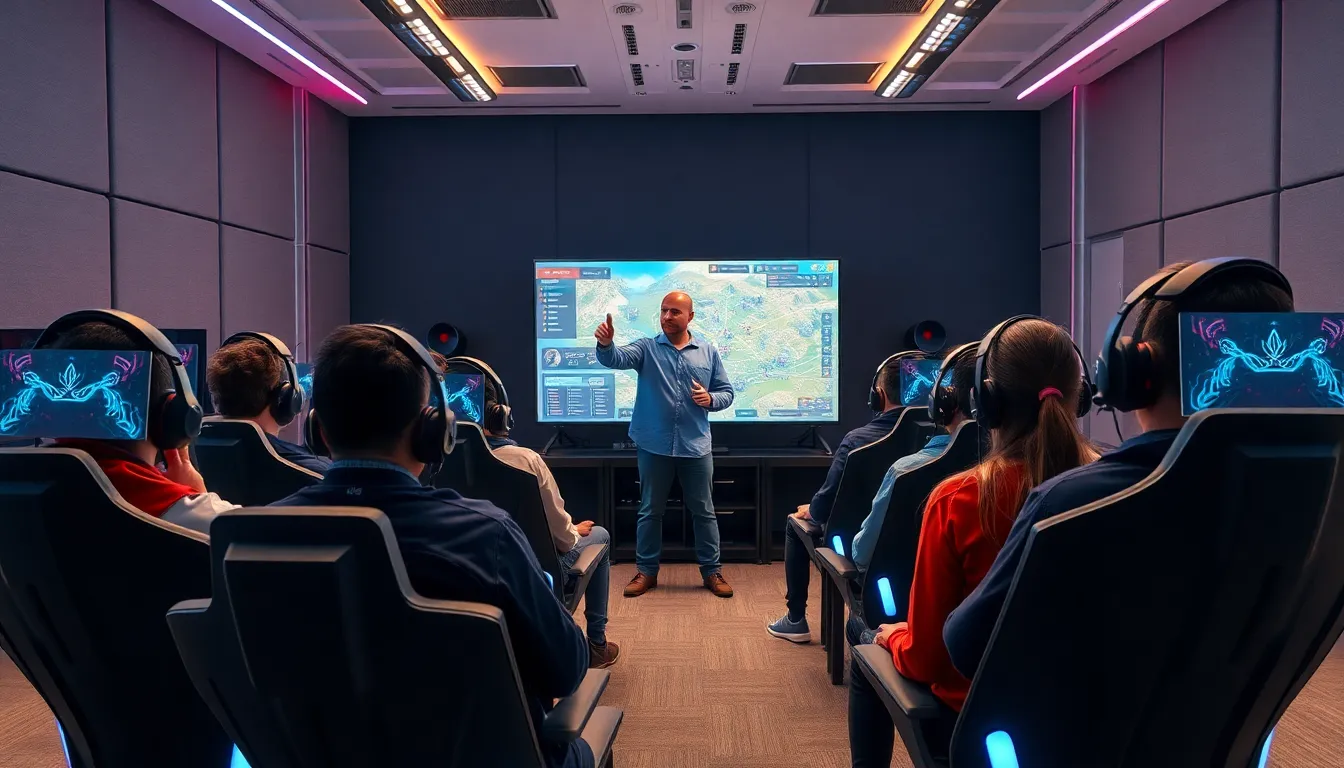
Esports coaching is a blend of strategy, analytics, and interpersonal skills aimed at improving gameplay and team performance. Unlike conventional coaching, which often focuses on physical prowess, esports coaching revolves around enhancing mental agility and decision-making capabilities. What sets it apart? For one, the digital landscape shifts rapidly, presenting unique challenges and opportunities. Coaches need to stay ahead of the curve, understanding both the mechanics of the games and the psychology of the players. The essence of esports coaching lies in developing players who can adapt to the evolving strategies of their opponents while thriving under the pressure of high-stakes competition.
The Role of an Esports Coach
An esports coach plays a vital role, much like a chess master plotting their next move. They are not just trainers: they are strategists, motivators, and mentors.
- Strategizing: Coaches analyze game footage, identifying strengths and weaknesses in their own team and their opponents. They create tailored strategies that can turn the tide of a match.
- Mental Health: Just as athletes face the mental grind, esports players do too. A coach acts as a support system, helping players manage stress and maintain focus.
- Skill Development: Coaches design drills to sharpen individual skills and enhance team dynamics, ensuring every member knows their role and can deliver under pressure.
- Communication: Effective communication is the glue that holds the team together. Coaches foster an open environment where feedback is encouraged, helping players grow together.
Essential Skills and Qualities of a Successful Coach
What makes a great esports coach? It’s a blend of specific skills and qualities. Here are some fundamental attributes they should possess:
- Game Knowledge: A deep understanding of the games being played is crucial. Without it, coaches might as well be trying to navigate a maze blindfolded.
- Analytical Mindset: Coaches must analyze gameplay data to extract insights. They should predict trends, spotting patterns in the opponents’ strategies.
- Adaptability: The dynamic nature of esports means that coaches must adapt strategies quickly. If something isn’t working, they need to pivot without missing a beat.
- Strong Communication Skills: Clarity is key. A coach must articulate strategies clearly and foster communication among team members.
- Empathy: Understanding the players’ feelings and challenges builds trust. A coach who empathizes creates a stronger team bond, leading to improved performance.
Training Methodologies in Esports Coaching
Training methodologies in esports vary widely, but successful coaches employ a mixture of the following approaches:
Task-Based Training
Focusing on specific skills, coaches break down gameplay into manageable tasks, honing individual abilities before integrating them into team strategies.
Simulation Drills
Simulations allow players to practice under conditions that mimic actual competitive environments. By participating in scrims (practice matches against other teams), players can apply theoretical strategies in real-time.
Video Analysis
Recording matches for later review is a game-changer. Coaches analyze video footage to highlight areas for improvement, enabling players to correct mistakes and refine their techniques.
Mental Conditioning
Much like physical athletes, esports players benefit from mental conditioning practices like visualization and mindfulness, allowing them to stay calm and focused during competition.
Building a Successful Team Environment
A successful esports team doesn’t just happen: it’s built. Here’s how a coach can cultivate an effective team environment:
- Trust and Respect: Establishing trust among team members is essential. Coaches should promote respect, ensuring every player feels valued.
- Team-Building Activities: Engaging in activities outside of gameplay helps strengthen relationships. It might be something simple like team lunches or attending events together.
- Clear Objectives: Setting collective goals guides the team. When everyone knows what they’re striving toward, it fosters unity and purpose.
- Positive Reinforcement: Celebrating wins, no matter how small, instills a culture of positivity. Recognizing individual contributions boosts morale and motivation.
Future Trends in Esports Coaching
As the esports landscape continues to evolve, so does the role of coaching. Here are some emerging trends:
- Data-Driven Insights: With advances in technology, coaches are increasingly relying on game analytics software, offering deeper insights into gameplay patterns.
- Emphasis on Wellness: The mental well-being of players is gaining importance. Future coaches will likely focus more on holistic player development, integrating physical fitness, mental health resources, and life skills into their training regimens.
- Diversity in Coaching: Just like in traditional sports, the diversification of coaching roles will grow. From strategy analysts to psychologists, various experts will contribute to shaping a player’s journey.


